
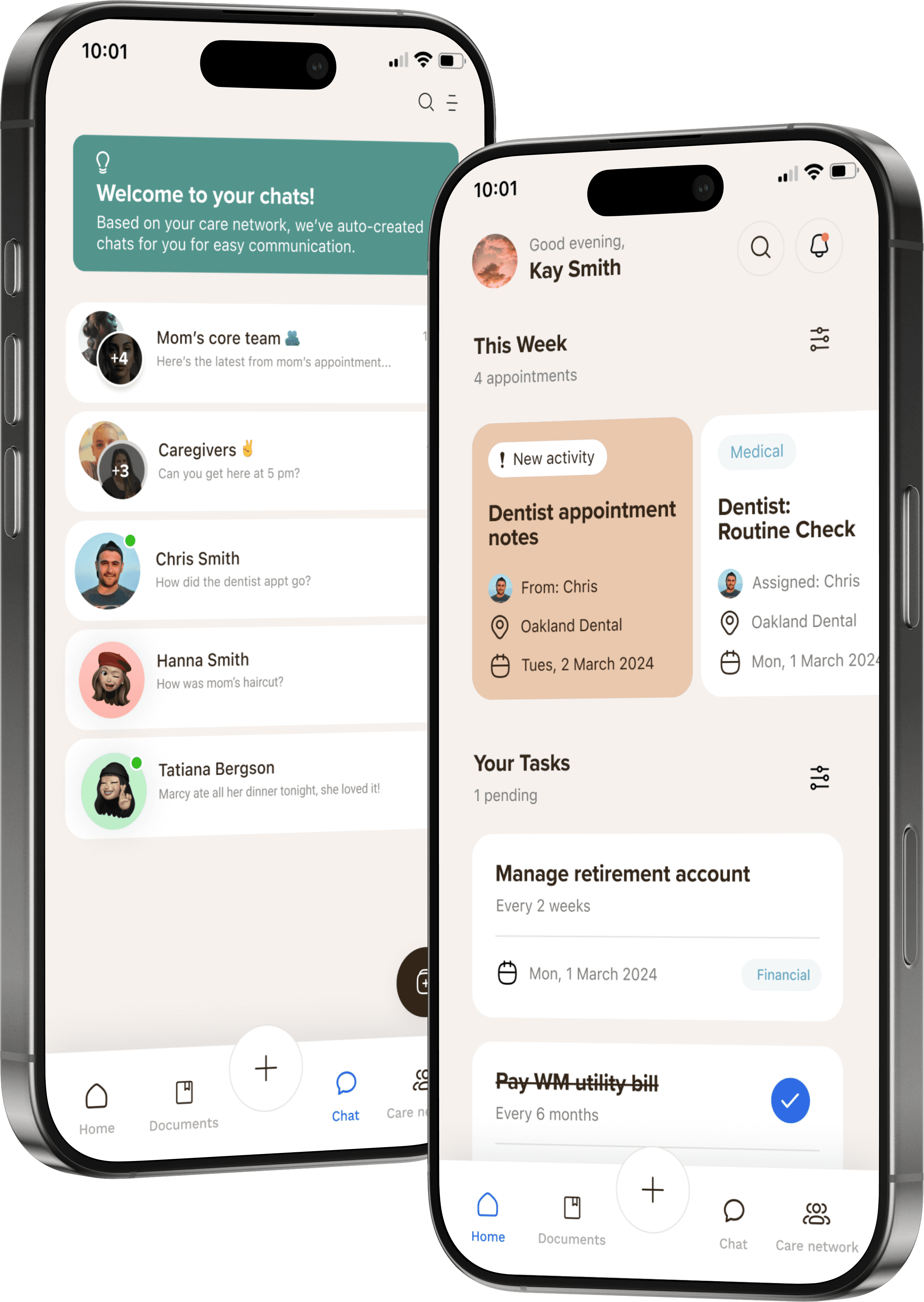
Helping overworked caregivers manage aging family
With the number of Americans caring for an aging parent / family member on the rise, we aimed to create a tool to help unburden their workload. We designed a platform that helps families and caretakers support aging parents by centralizing important information and make it sharable - making the often chaotic work of caregiving, more manageable .
My role
Design Research
Synthesis & Concept Ideation
Prototyping & Validation
Category
0 → 1 Product Design & Innovation
Team
Cortland Moore
Ana Soto
Yasmeen Kamel
We’re on track for more than one in five Americans to be a senior citizen by 2030. Despite this growth, there’s a lack of innovation to support this community.
Uncovering the problem

01.
Discover.
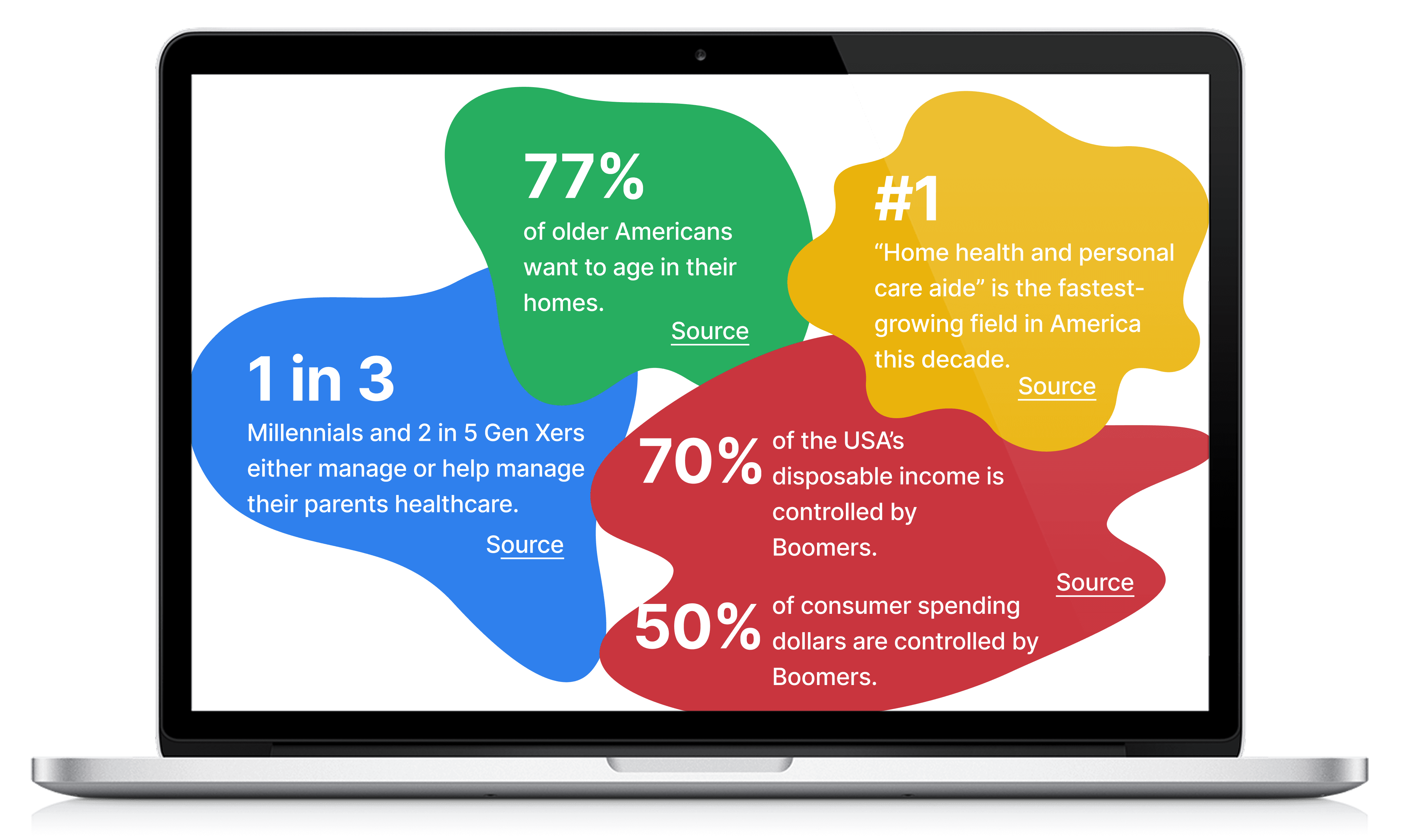
Market & user research
Our research began with problem discovery. We conducted a number of research activities, including understanding the trends playing out in elder care, conducting competitive research, and creating assumptions & sacrificial concepts to test in interviews.
We conducted 7 interviews with care givers and aging adult to grasp the pain points and opportunities, leading us to understand the user we needed to solve for was the care giver, not the aging adult.

02.
Define
Consumer pain points
Jobs to be done
01.
Providing care to an aging parent can be a full-time job.
Support: Lighten the burden of day-to-day caregiving management.
02.
Being a primary caregiver is a decision-heavy role.
Consolidation: Bring all aspects of care into a single place.
03.
Caregiving requires a way to stay organized, and share updates with the larger “team”
Collaboration: Streamline task-sharing and group communication.
Final Problem Statement
How might we simplify caregivers' lives, reduce caregiver stress while increasing well-being, and make caregiving more collaborative?
Concept Ideation
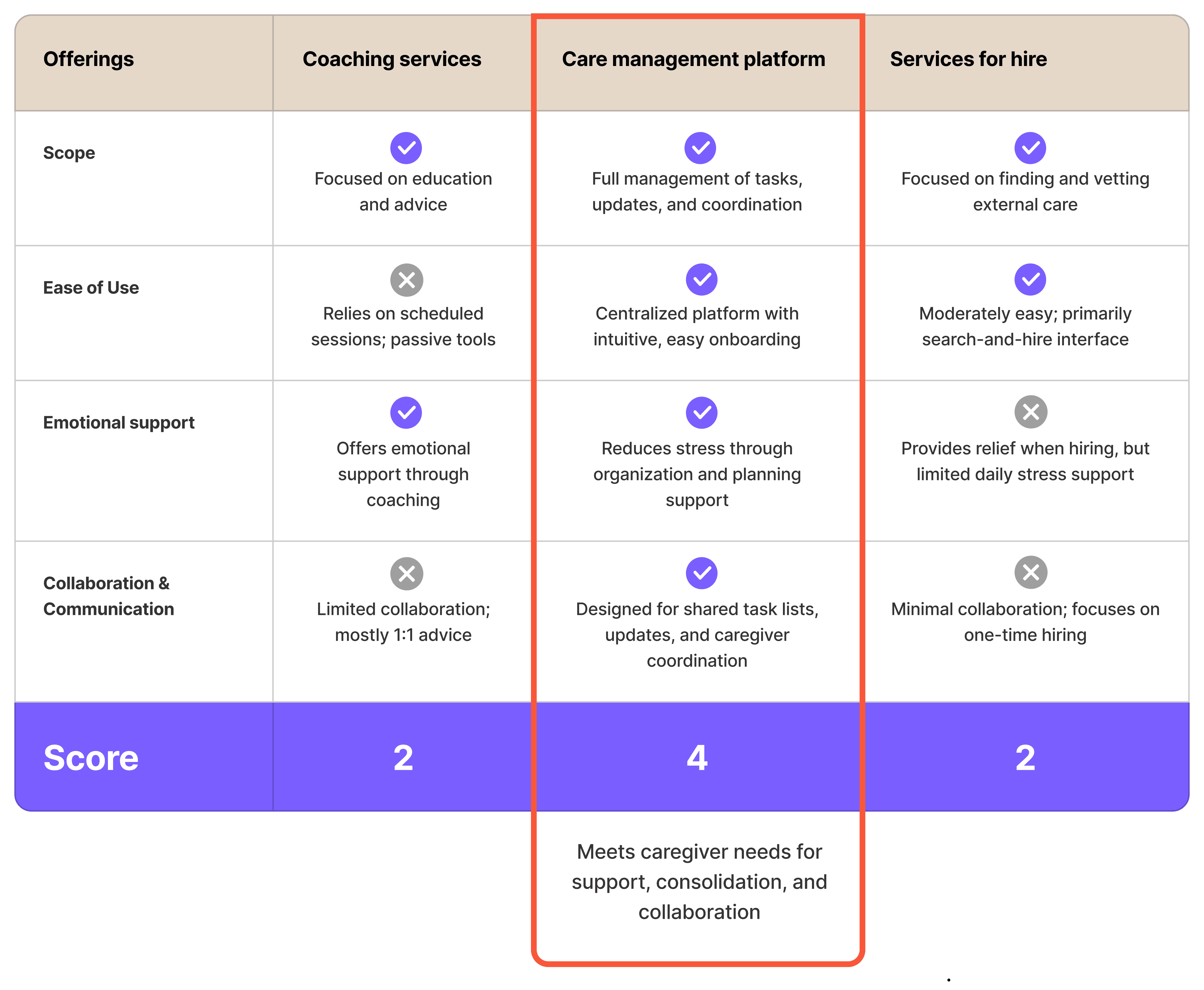
We ideated concepts that would address the caregiver’s needs honing in on three different offerings based on viability and feasibility.
Through doing a product comparison, it was clear that having an all-in-one platform that allowed the whole family access, while tracking appointments and storing information, proved to align most closely with caregiver jobs to be done.
Coaching services
One-on-one guidance to help caregivers manage stress, build confidence, and find emotional support.
Care management platform
A centralized hub for organizing care, coordinating tasks, and improving family communication.
Services for hire
A simple way to find and book trusted external care professionals for short-term support.
Comparing product offerings
03.
Develop
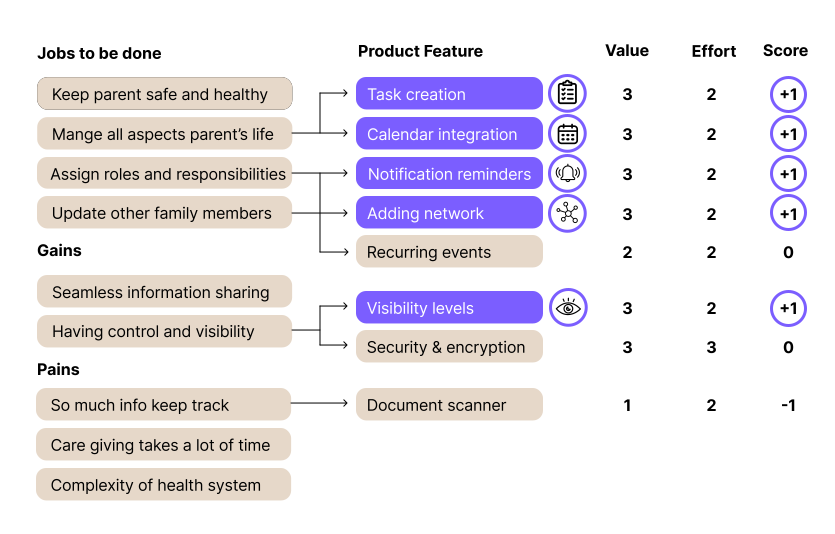
Deciding on features
We selected features by first grounding them in our user pain points and then prioritizing them based on the value each feature brought to the end user while weighing the level of effort it would take to build.
Our team also created a set of design principles used to guide the visual construction of the app inspiring trustworthiness and accessability.
Honing in on metrics to measure success
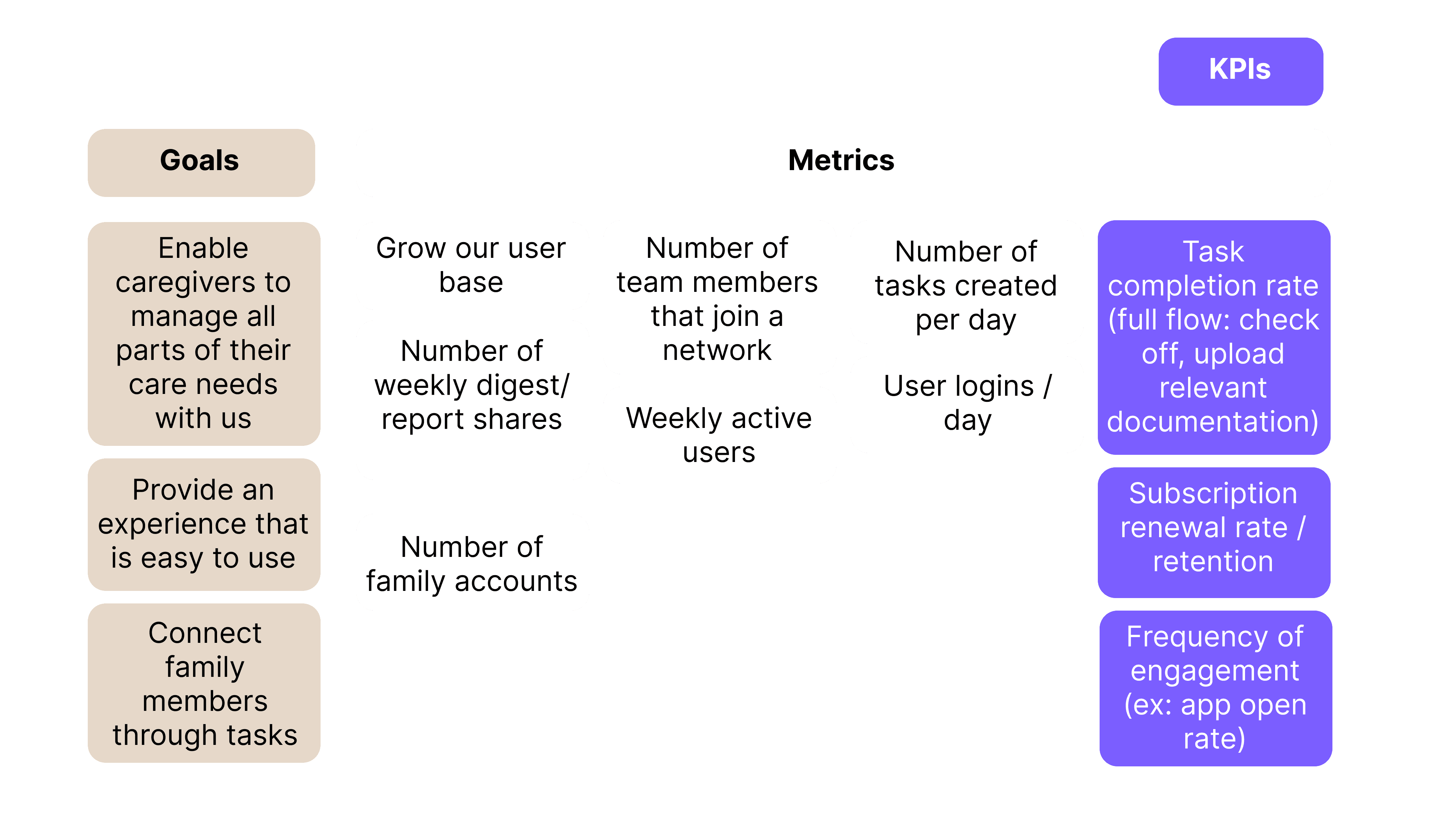
In preparation to bring our MVP to market we used the HEART framework to establish key metrics that focused on user engagement, knowing getting habitual engagement is a key part of App retention.
04.
Deliver
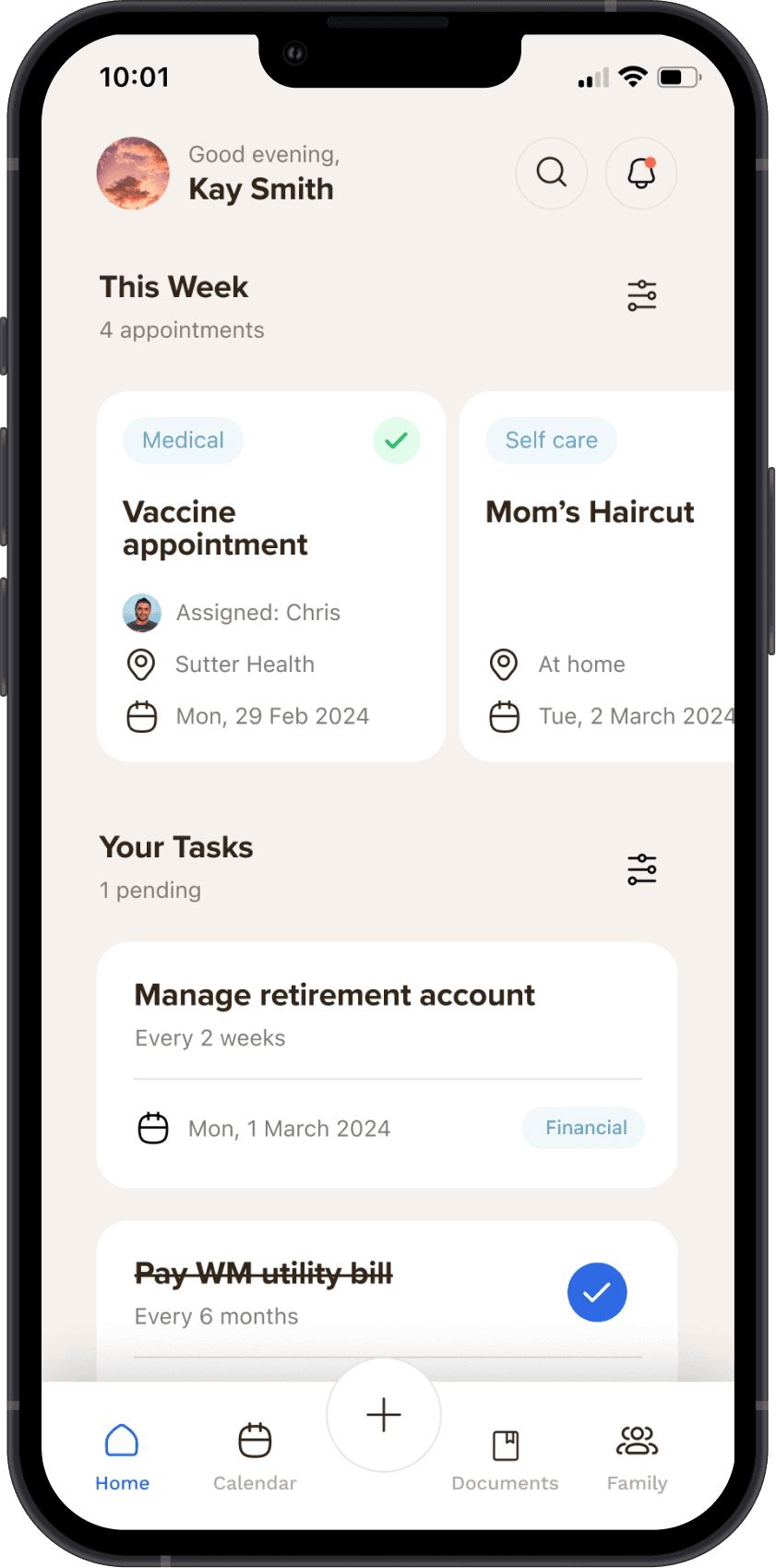
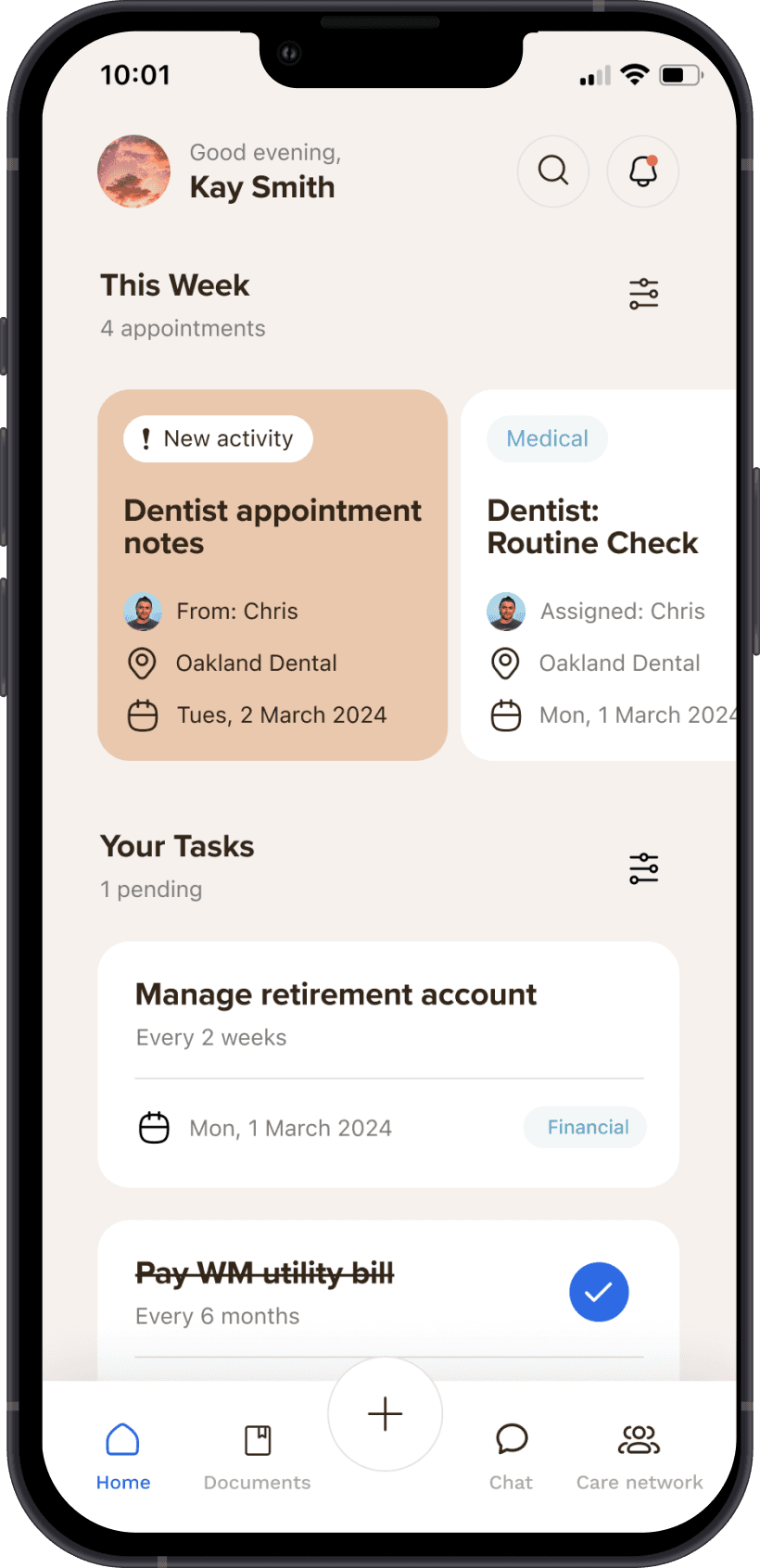
MVP validation highlights
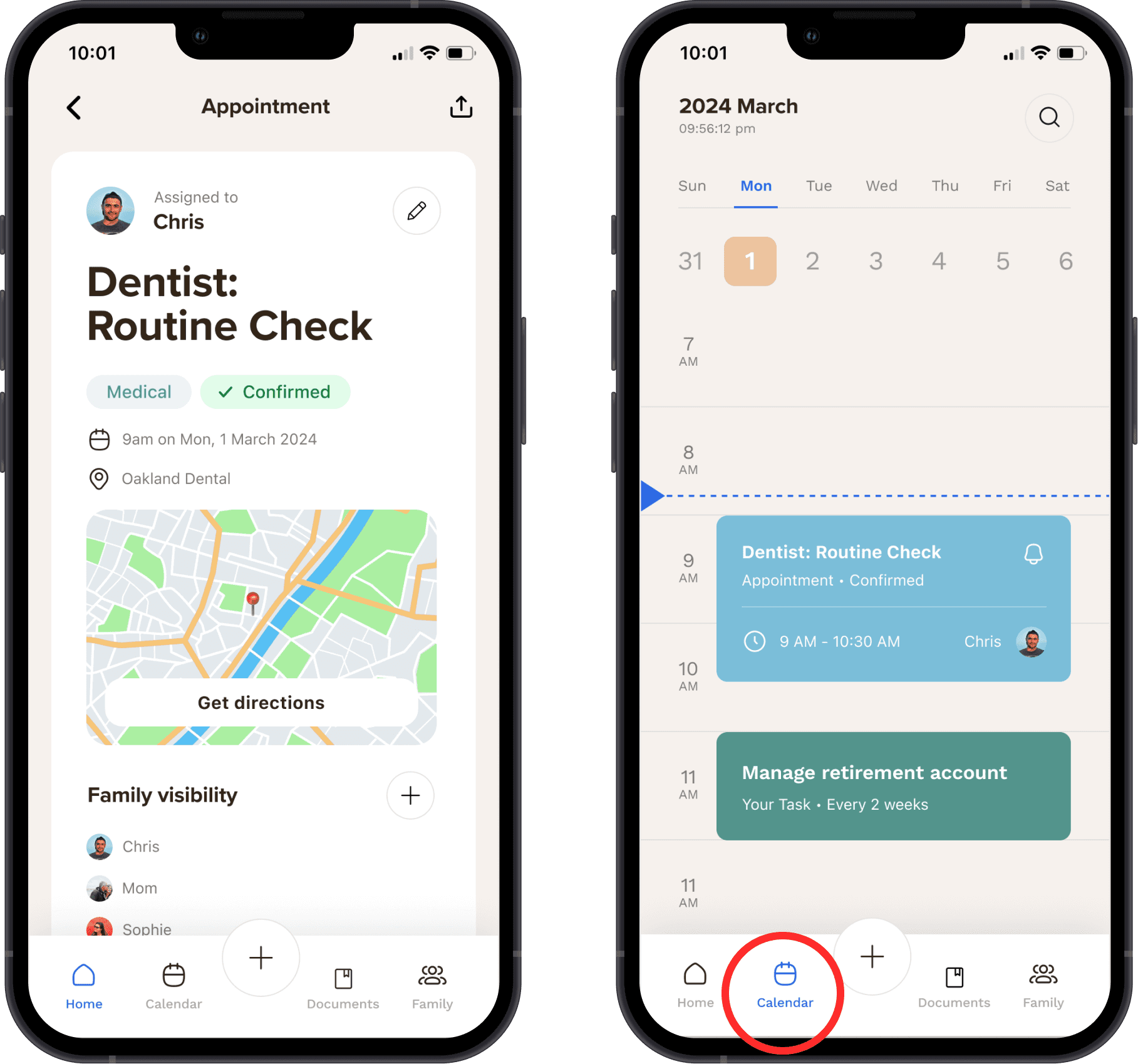
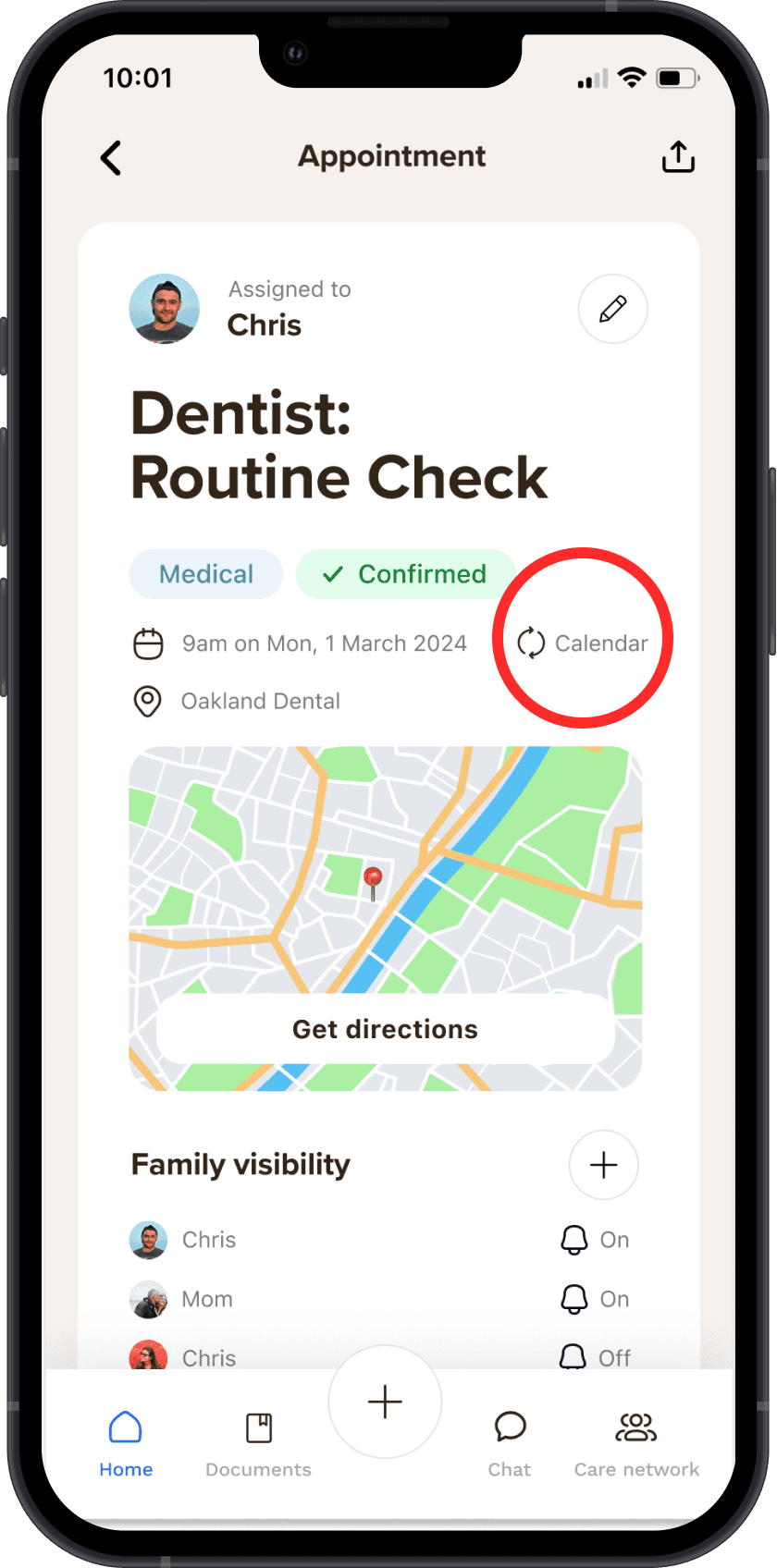
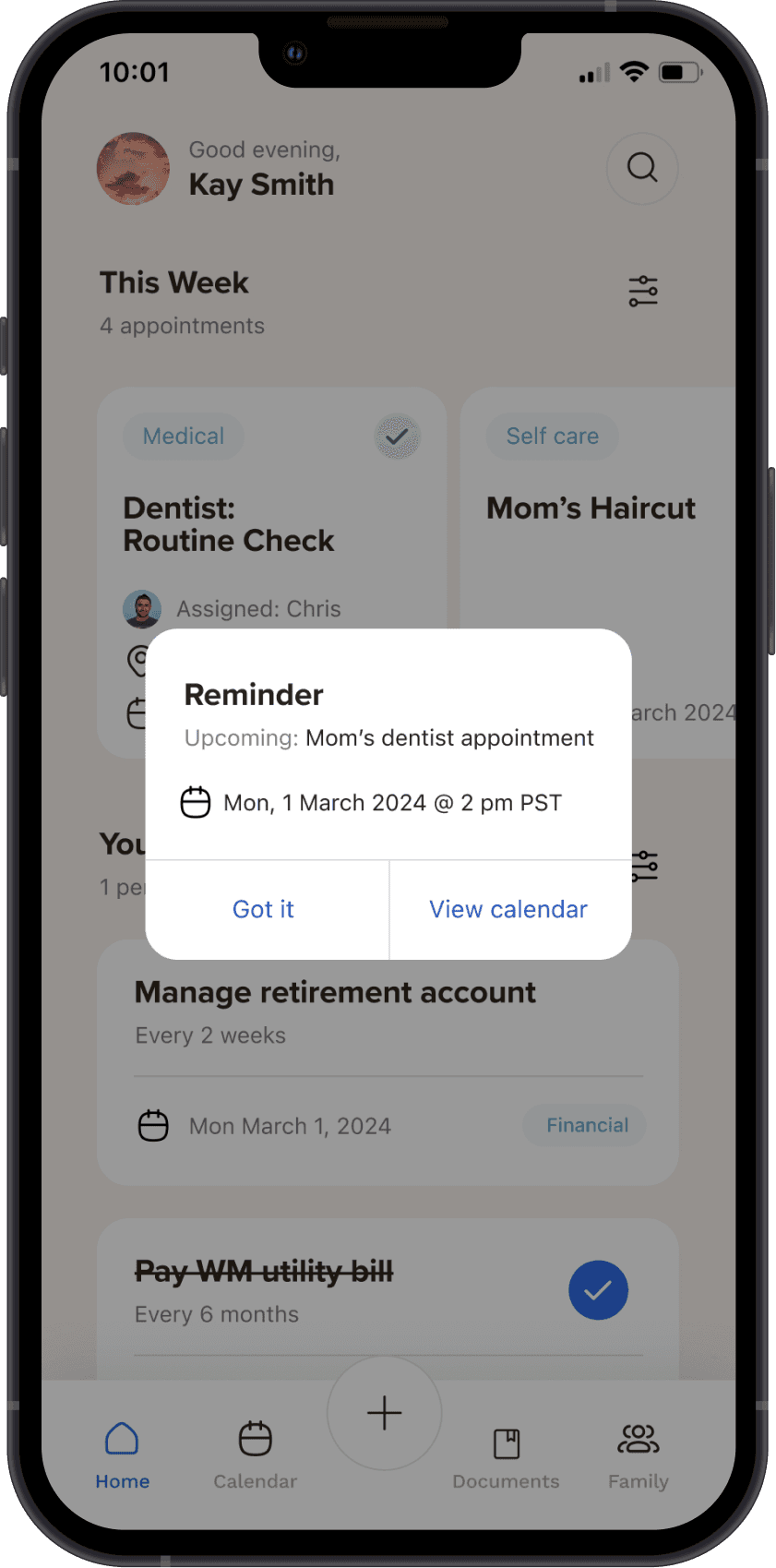
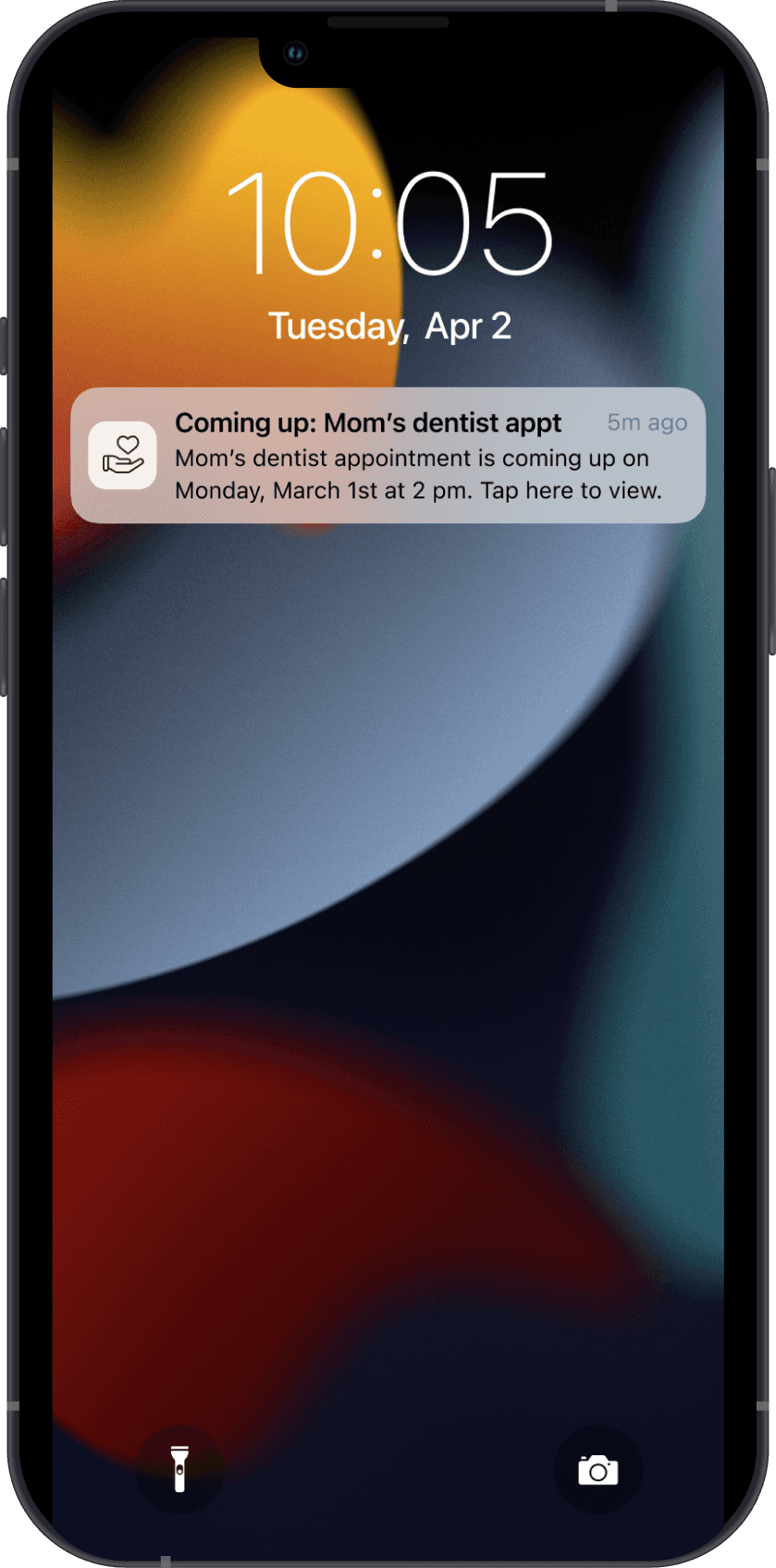
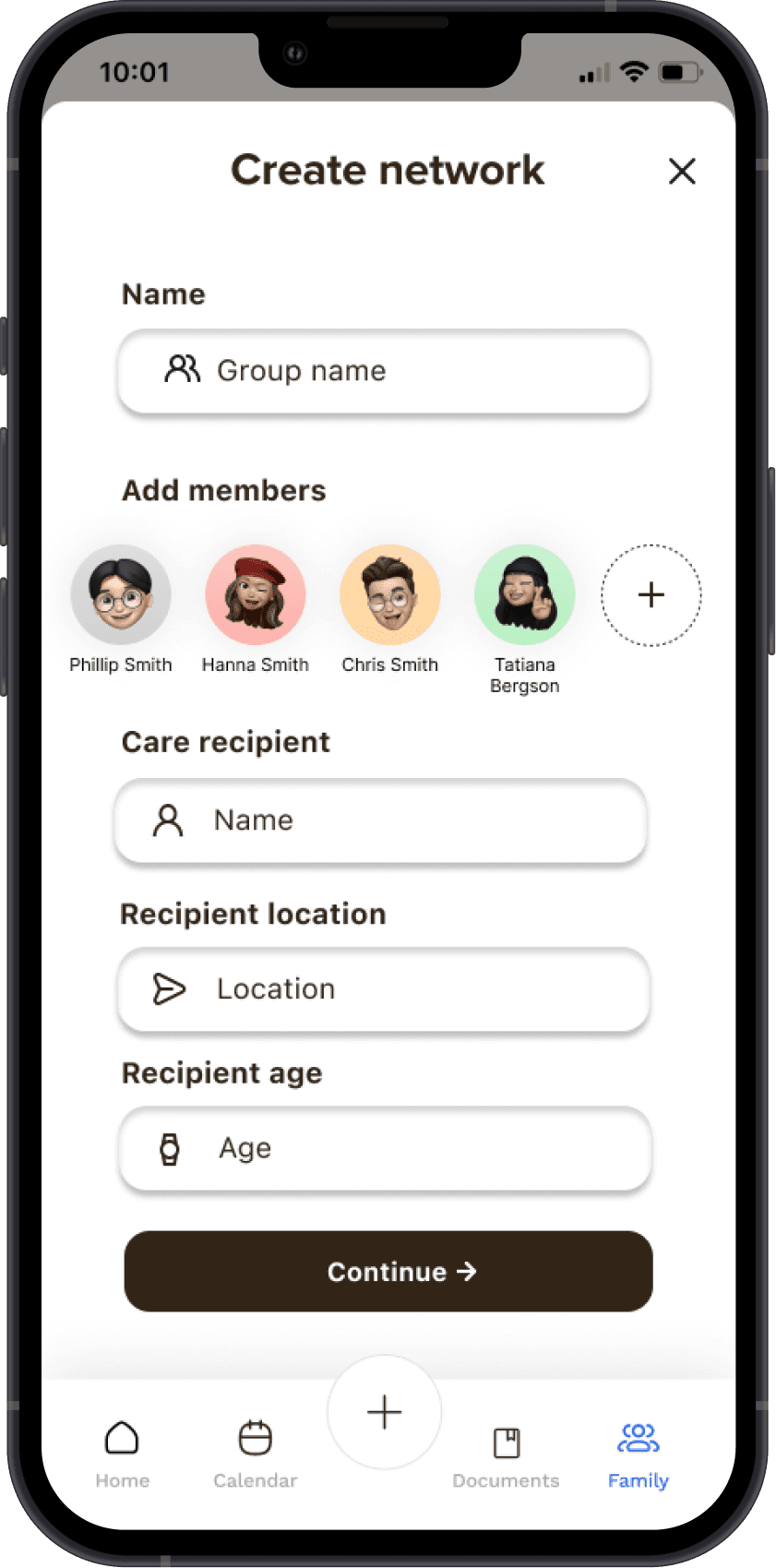
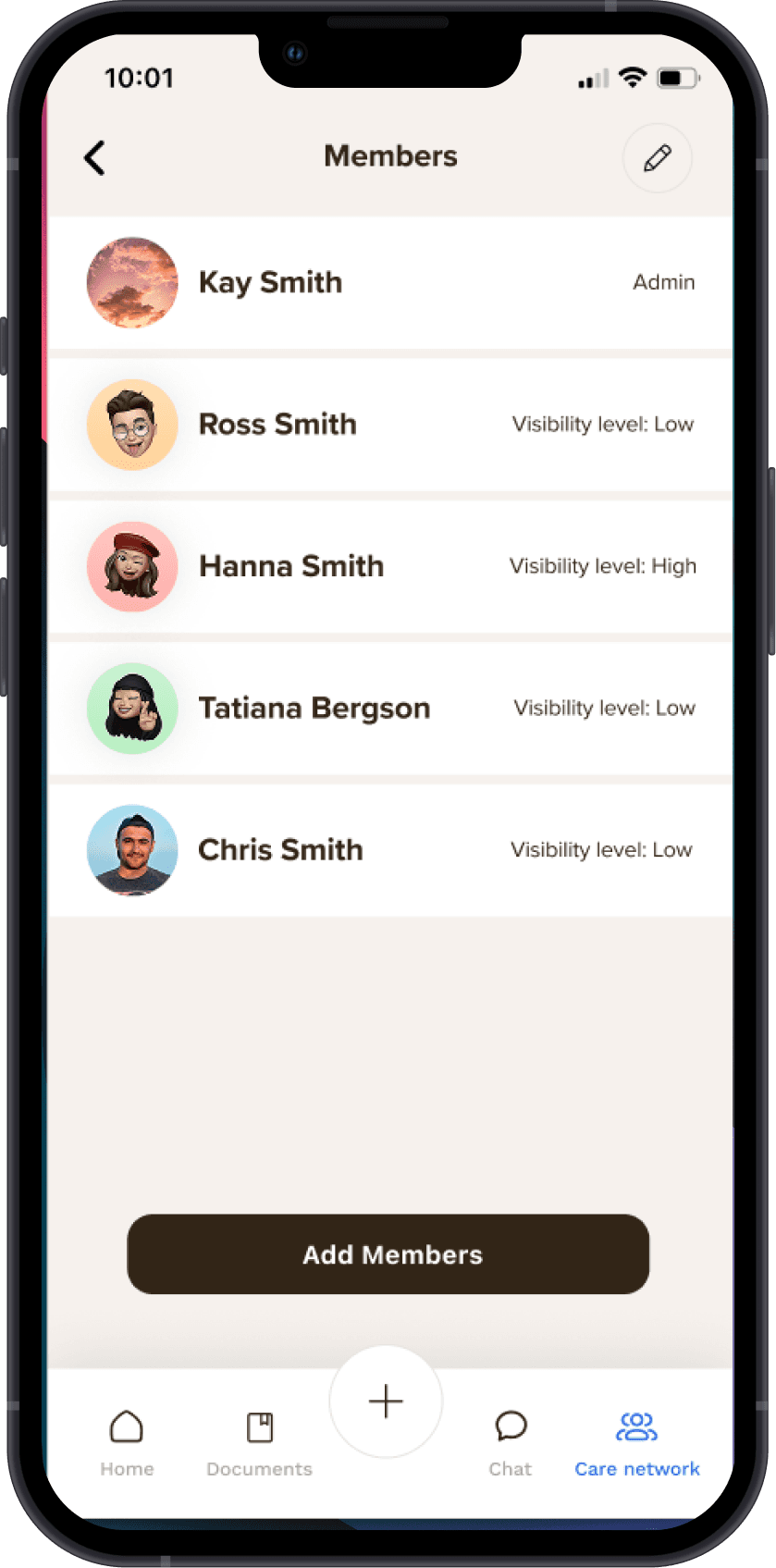
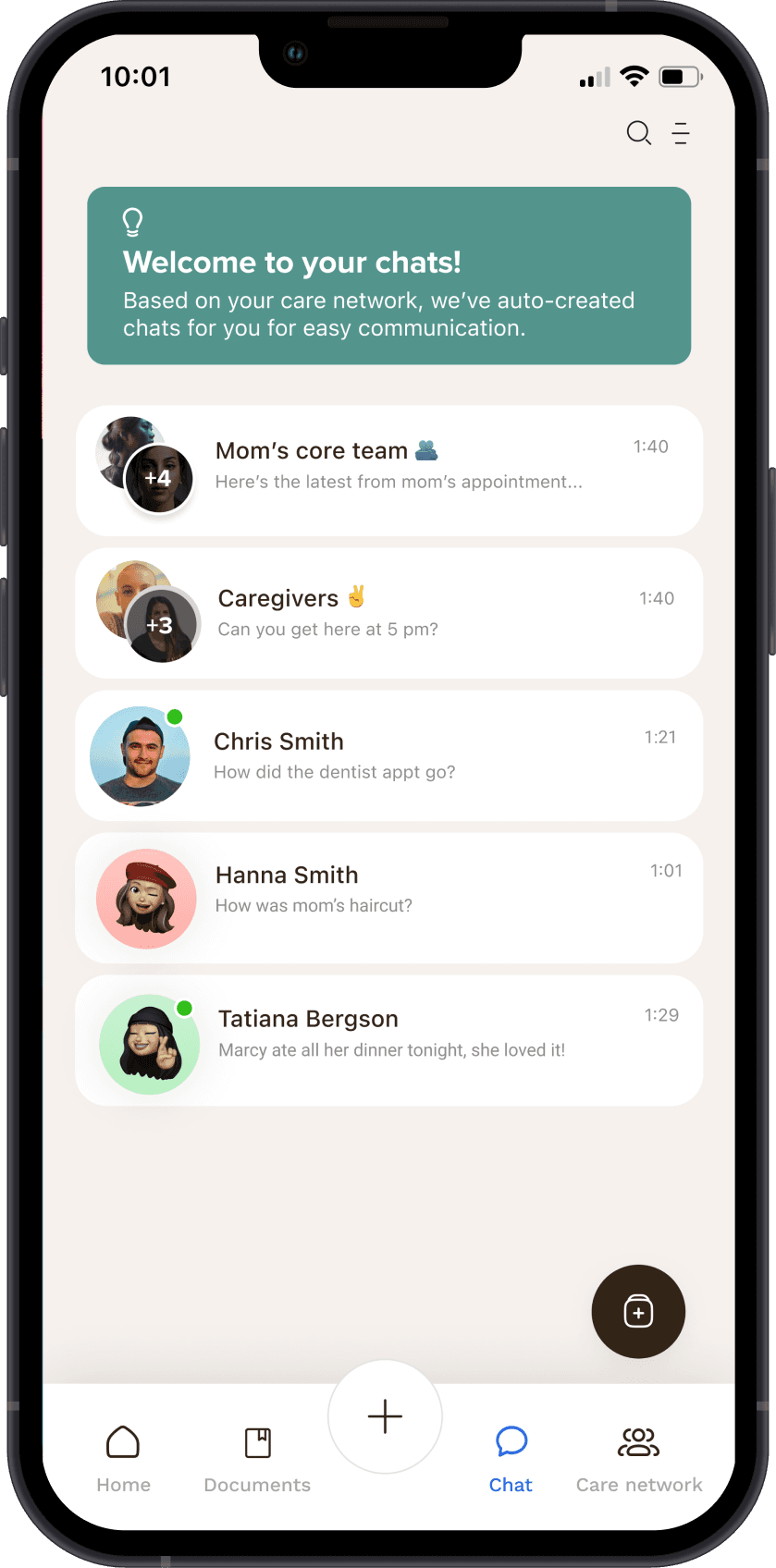
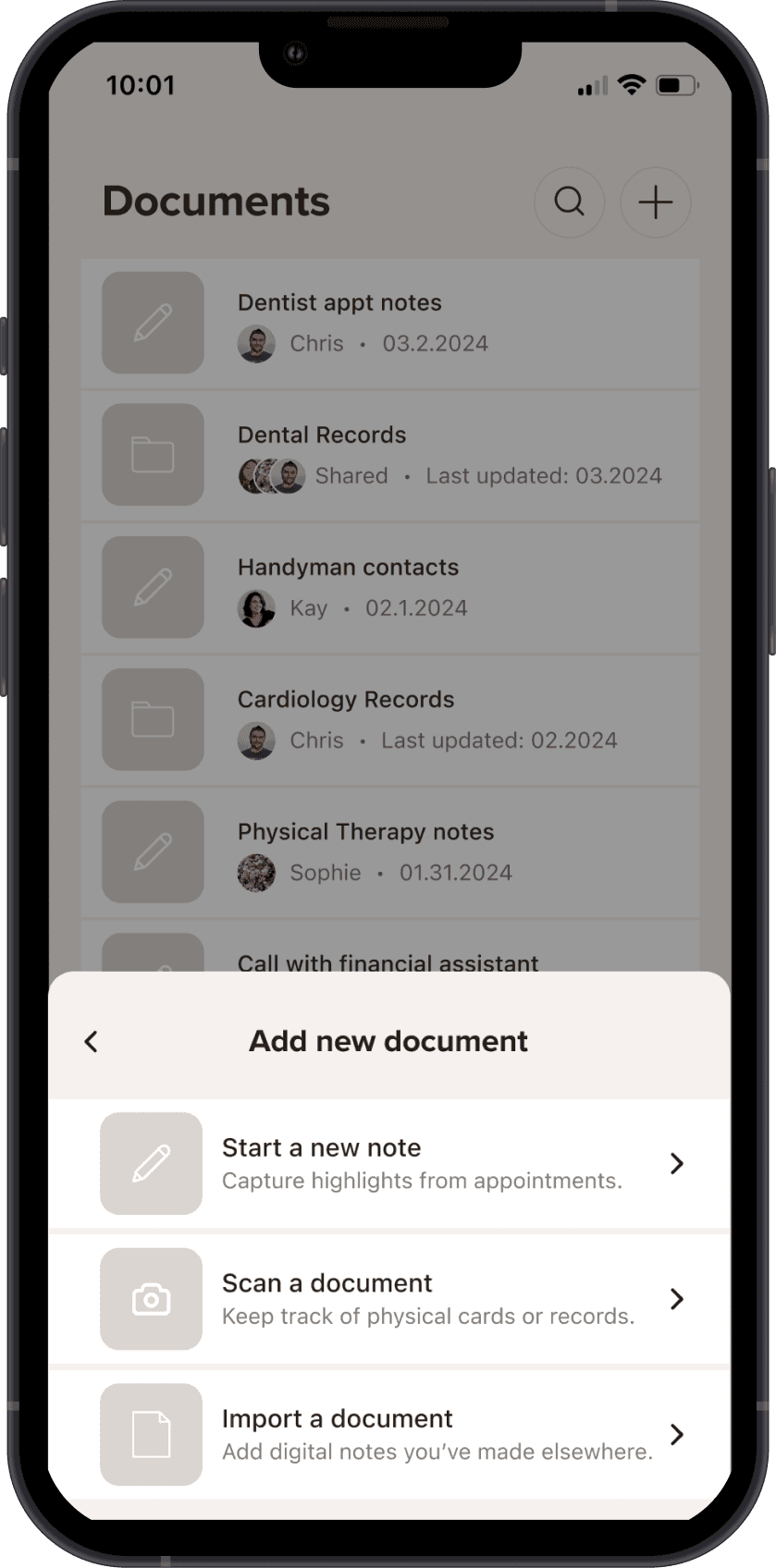
Scroll right for iteration highlights
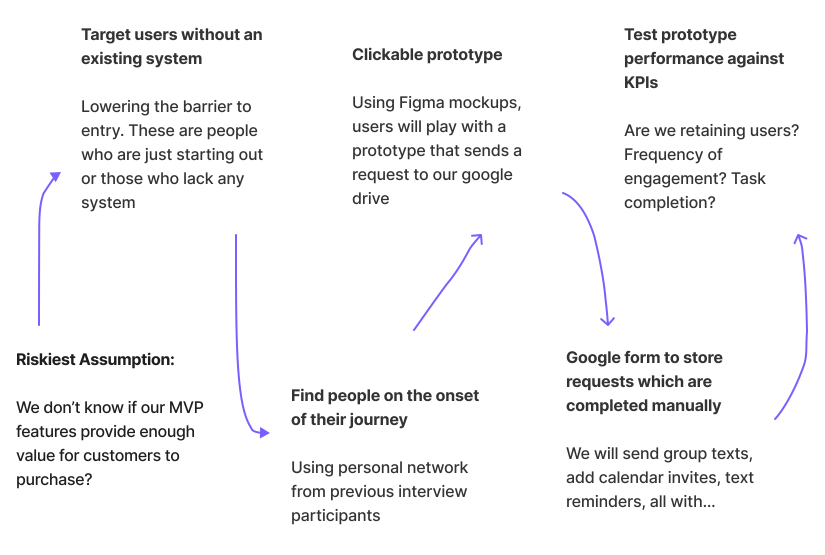
We made a plan to ensure we are delivering value by testing our riskiest assumptions, beginning with our biggest risk: will users get enough value from the offering to make a purchase?
We mapped a way to test our launch, removing as much risk as we could to keep the costs down before investing in building the App.
Project Learnings
01.
User insights and iterative testing drive product decisions
By focusing on the real needs of caregivers, features such as document storage and chat that we identified as secondary needs were moved to MVP development based on user feedback.
02.
Validating assumptions early prevents costly mistakes
Validating the riskiest assumptions such as finding out that caregivers would not switch from their current organizational systems once they had enough momentum, saved us from including them in our target audience.
03.
Prioritization is key in product roadmapping
The team used feature prioritization based on impact vs. effort, ensuring that essential tools like task templates and visibility settings were built first, while encryption and security were future builds.